Key Elements of Running a Ripple Effects Project
Ripple Effects projects draw on the different advantages of photography and writing to engage people in a variety of ways of thinking about the natural world and their roles in it. Publishing the photographs and writing offers people a way to experience having their voices heard in their communities while providing community members with insights into the perspectives of others on issues of sustainability and conservation.
Photography
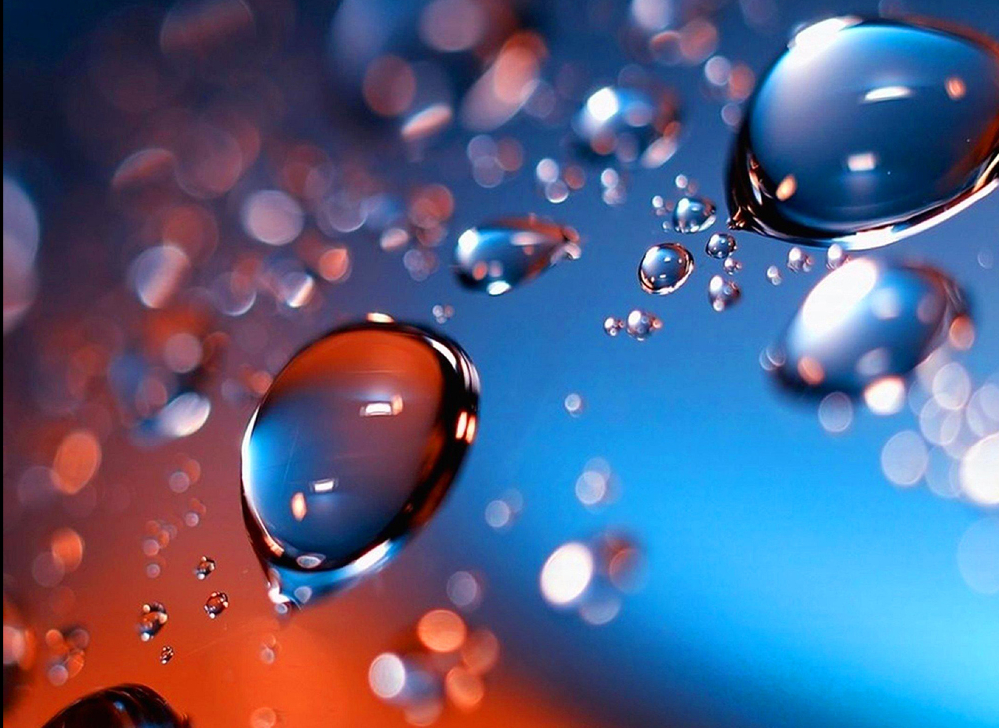
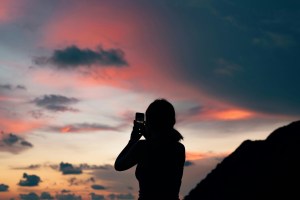
The starting point for a student’s Ripple Effects project is taking photos of water in the world around them. Photography people a way to focus on using visual modes of communication to create a message or impact.
The goal is to encourage people to slow down and take notice of the world around them, to see it in ways they may not have considered before. Photography is a way of re-seeing in the everyday world and creating art that is also accessible to most people today through their mobile phones. One of the advantages (also called an “affordance”) of visual modes of communication is that they have a direct impact, elicit emotion, and can be read across language barriers.
We focus on water because water is all around us, all the time, and an ongoing, and essential part of our world and culture, wherever we are. The photographs can focus on large, well-know bodies of water, or drops of water in a backyard. The images can focus on the beauty of the natural world, or the threats and tragedies of water that is spoiled or under threat.
Tips for Process
- Encourage them to take a number of photographs so they can see the differences and consider what kind of image and idea they want to communicate to others.
- Brainstorm about the variety of places they can find water in their lives and communities.
- Talk about the concepts of focus, background, and lighting in photography and how that influences how we see and feel about the images we see.

Written Reflection
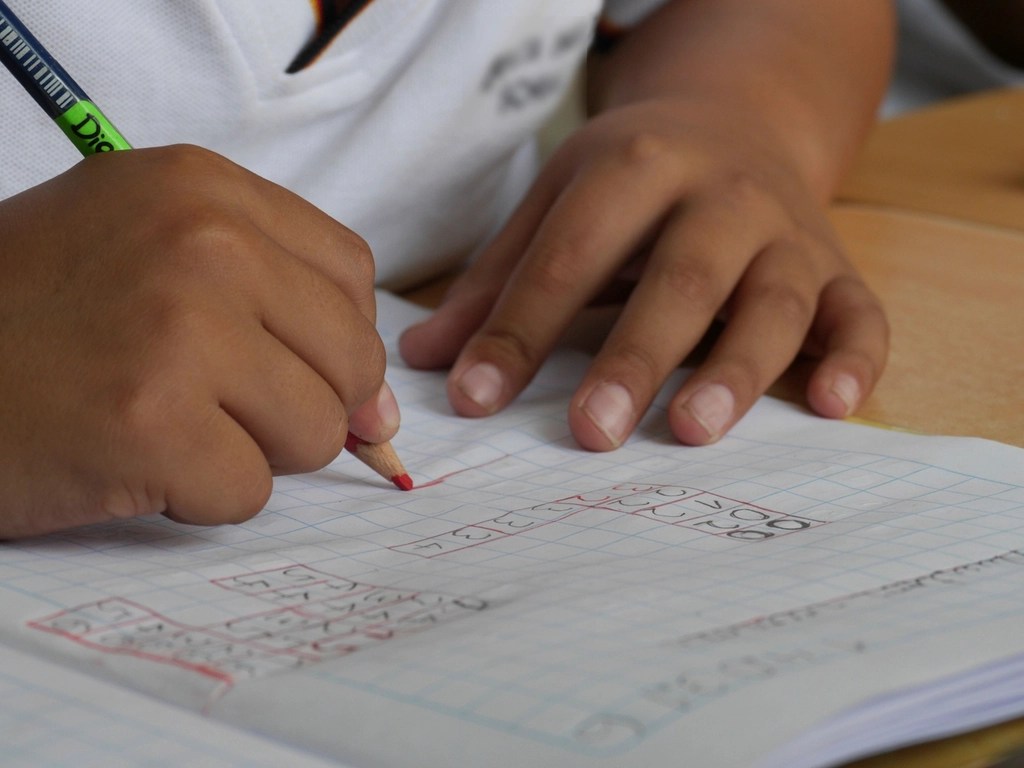
While images provide information quickly, writing is an essential way to communicate more complex, interior thoughts to others. After taking the photos people select one or more photographs to craft a written reflection that focuses on:
- Why they took the photo and how it makes them feel, and what they would like for others to understand about nature, community, and their reasons for taking the picture.
The reflection process is essential for the ways in which people make meaning, both for themselves and others, during the project. Writing is an important way to reflect on our world and our lives. When we write, we think, and these reflections will not only help people explain their ideas to others, but they will help them explore the meanings of the images more fully for themselves. We also encourage informality, creativity, and the use of prose or poetry for the written reflections.
Tips for Process
- Starting the writing process with informal, freewriting, is a good, low-stakes way to get people started with their writing. Just have people begin by writing down ideas or lists of ideas as quickly as possible without worrying about editing or correctness and let them see what ideas they generate.
- Engage in small-group peer feedback sessions that focus, not on correctness, but on what is clearest and most engaging to the potential audience. If this is for school, we strongly, strongly urge that these reflections not be graded, so that experience does not become associated with grade pressures or trying to please teachers.
- As they write their reflections, ask them to imagine who the audience will be in the community or school and how they might reach that audience most effectively.
Publication & Display
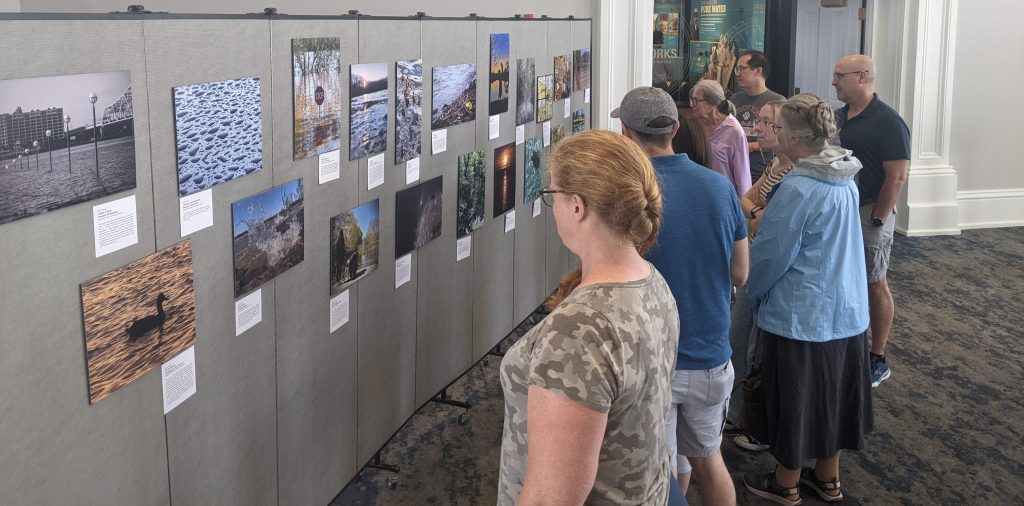
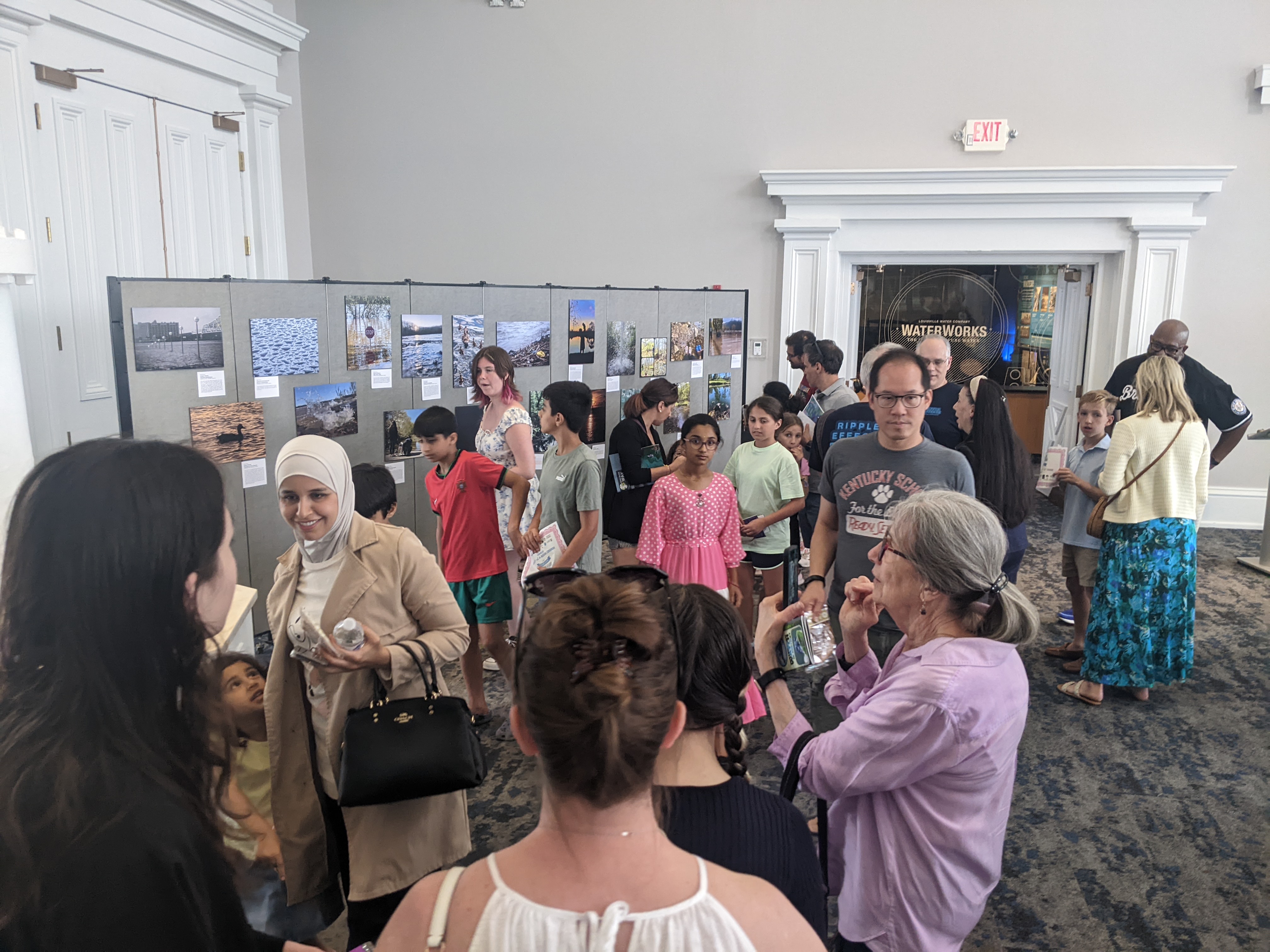
Ripple Effects International can always provide a venue for potentially circulating and publishing photos and writing. Having a real audience makes significant differences in the motivation and impact people feel for their work.
Knowing that their images and words may find a real audience can provide people a sense of being heard, when, so often, people feel they lack a voice or agency around issues of the environment and sustainability. Circulation of publication can take many forms, from online websites or social media accounts, exhibitions in libraries, community centers, or schools, to creating zines or other kinds of publications. Circulation or publication also offers community members potentially new ways of understanding the concerns of others in their community.
Tips for Process
- In addition to reaching out to libraries, community centers, or schools for potential partnerships, consider whether conservation groups, water companies, news media, literary organizations, or photographic societies, might be possible collaborations and venues for publication.
- Events and social media can offer ways to publicize the project and the exhibitions
Permissions and Circulating Photos and Writing
It is important to find out what legal and ethical permissions are necessary for circulating and publishing the work of young people. These permissions can vary by location. If you want to have Ripple Effects International link to or archive any of the works from your local project you will need to provide us with documentation of having obtained the necessary permissions, or have participants fill out our online consent form (link)

If you would like to start a Ripple Effects project at your school or in your community, contact us to receive communication about Ripple Effects resources, procedures, and support as you join the mission to create sustainable change and cultivate meaningful classroom and community connections.


 Ripple Effects International